Spain’s Crackdown: How New Betting Ad Rules Reshape Poker
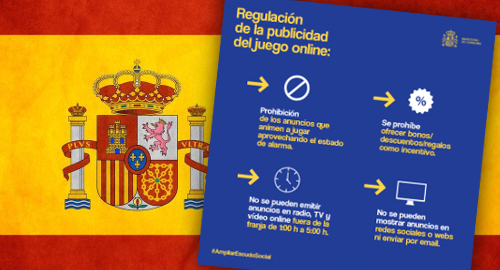
The Regulatory Earthquake That’s Reshaping Spanish Gambling
Spain’s gambling landscape underwent a seismic shift in late 2025 when the Directorate General for the Regulation of Gambling (DGOJ) implemented the most comprehensive sports betting advertising restrictions in European history. The new framework, which took full effect in January 2026, has created ripple effects that extend far beyond traditional sports betting into poker rooms, online casinos, and tournament sponsorships across the Iberian Peninsula.
The regulations mandate a complete blackout of gambling advertisements during prime television hours (6 PM to 1 AM), restrict celebrity endorsements, and require all promotional content to carry prominent addiction warnings covering at least 25% of the advertisement space. For poker players and industry stakeholders, these changes represent more than regulatory compliance—they signal a fundamental transformation in how gambling entertainment is marketed and consumed in one of Europe’s largest markets.
What makes Spain’s approach particularly significant is its comprehensive scope. Unlike previous regulations that targeted specific betting formats, the 2026 framework treats poker, sports betting, and casino games under a unified advertising umbrella. This holistic approach has forced platforms like 22Bet to completely reimagine their Spanish marketing strategies, shifting focus from mass-market television campaigns to targeted digital initiatives and partnership-based content creation.
Comparing Spain’s Rules Against Global Regulatory Trends
Spain’s advertising restrictions are among the most stringent globally, but they’re part of a broader international trend toward tighter gambling promotion oversight. Italy implemented similar prime-time advertising bans in 2019, while the UK’s Gambling Commission introduced whistle-to-whistle football betting ad restrictions in 2022. However, Spain’s regulations go further by including poker-specific provisions that treat tournament broadcasts and sponsored content with the same scrutiny as traditional sports betting advertisements.
The data reveals the scope of this regulatory shift: Spanish gambling operators reported a 34% decrease in television advertising spend during the first quarter of 2026, with digital marketing budgets increasing by 28% to compensate. This reallocation has fundamentally altered how poker tournaments and cash game promotions reach Spanish audiences, forcing operators to develop more sophisticated, targeted marketing approaches.
In contrast, jurisdictions like Malta and Gibraltar maintain relatively liberal advertising frameworks, creating a stark regulatory divide within the European Union. This disparity has led to what industry analysts call “regulatory arbitrage,” where operators increasingly structure their European marketing campaigns around more permissive jurisdictions while maintaining compliance-focused approaches in restrictive markets like Spain.
The Poker Tournament Sponsorship Dilemma
Perhaps nowhere are Spain’s new regulations more visible than in the tournament poker circuit. The European Poker Tour’s Barcelona stop, traditionally one of the most heavily sponsored events on the calendar, saw a 45% reduction in gambling-related sponsorship deals for its 2026 edition. Tournament organizers have been forced to navigate complex rules around branded content, player endorsements, and live stream advertising that previously operated in regulatory gray areas.
“The Spanish regulations have fundamentally changed how we approach tournament marketing,” explains Maria Rodriguez, Tournament Director at Casino Barcelona. “We’ve had to develop entirely new sponsorship models that focus on educational content and responsible gambling messaging rather than direct promotional appeals. It’s challenging, but it’s also pushing the industry toward more sustainable marketing practices.”
The impact extends beyond major tournaments to local poker rooms and online qualifiers. Spanish poker rooms report that traditional satellite tournament promotions—once a cornerstone of player acquisition—now require extensive legal review and modified messaging. This has led to longer lead times for promotional campaigns and increased compliance costs that smaller operators struggle to absorb.
Digital Marketing’s New Frontier in Spanish Poker
With traditional advertising channels restricted, Spanish poker operators have pivoted aggressively toward digital marketing strategies that operate within regulatory boundaries. Search engine marketing has become particularly crucial, with poker-related keyword bidding increasing by 52% in the Spanish market during 2026’s first half. However, even digital campaigns must comply with the new advertising standards, including mandatory responsible gambling messaging and restricted targeting parameters.
Social media marketing has evolved into a complex compliance exercise. Poker influencers and content creators working in the Spanish market must now include specific disclaimers, avoid promotional language during restricted hours, and submit content for pre-approval by legal teams. This has led to the emergence of “compliance-first” content strategies that prioritize educational value and entertainment over direct promotional messaging.
Email marketing and direct player communication have become increasingly valuable channels, but they’re subject to enhanced data protection requirements under Spain’s implementation of GDPR-plus privacy standards. Operators report that building compliant email lists now takes 40% longer than in previous years, but the engagement rates from properly consented audiences are significantly higher than traditional advertising channels.
Economic Impact on Spain’s Poker Ecosystem
The financial implications of Spain’s advertising restrictions extend throughout the poker ecosystem. Live poker rooms in Madrid and Barcelona report that foot traffic from new players decreased by 18% in the first quarter of 2026, attributed primarily to reduced advertising visibility. However, player retention rates have improved by 12%, suggesting that the players who do discover poker through compliant marketing channels demonstrate higher long-term engagement.
Online poker operators face a more complex economic picture. While customer acquisition costs have increased by an average of 31% across the Spanish market, the quality of acquired players has improved measurably. Dr. Carlos Mendez, a gambling economics researcher at Universidad Complutense Madrid, notes: “The data suggests that Spain’s advertising restrictions are creating a more sustainable player base, even if the initial acquisition metrics appear challenging. Players who engage with poker through educational content and responsible marketing show significantly better lifetime value metrics.”
Tournament prize pools have also been affected, with Spanish stops on international tours seeing average guarantees reduced by 15-20% due to decreased sponsorship revenue. However, this reduction has been partially offset by increased participation from recreational players who appreciate the more educational, less aggressive marketing approach mandated by the new regulations.
Alternative Marketing Strategies Emerging from Regulatory Pressure
Spanish poker operators have developed innovative marketing approaches that work within the new regulatory framework while maintaining player engagement. Educational content marketing has become particularly prominent, with operators investing heavily in poker strategy articles, responsible gambling guides, and tournament analysis that provides value beyond direct promotional messaging.
Partnership marketing has evolved significantly, with poker rooms forming alliances with sports clubs, entertainment venues, and educational institutions to create co-branded experiences that emphasize skill development and social interaction rather than gambling excitement. These partnerships often focus on poker as a mind sport, aligning with Spain’s broader cultural appreciation for strategic games and intellectual competition.
Loyalty program marketing has become more sophisticated and personalized, with operators using advanced analytics to create targeted offers that comply with advertising restrictions while maximizing player engagement. These programs increasingly emphasize skill development, tournament education, and community building rather than traditional bonus-focused incentives.
The Ripple Effect Across European Poker Markets
Spain’s regulatory approach is influencing gambling advertising policies across Europe, with several jurisdictions considering similar restrictions. The European Gaming and Betting Association reports that six EU member states are actively reviewing their advertising frameworks, using Spain’s 2026 regulations as a reference point for potential reforms.
This regulatory convergence is creating challenges for international poker tours and online operators who must navigate increasingly complex compliance requirements across multiple jurisdictions. The cost of legal compliance has become a significant factor in market entry decisions, with smaller operators sometimes choosing to exit restrictive markets rather than invest in complex compliance infrastructure.
However, the standardization of advertising restrictions across Europe may ultimately benefit larger operators who can achieve economies of scale in compliance systems and marketing strategies. Industry analysts predict that by 2028, most European poker markets will operate under similar advertising frameworks, creating more predictable regulatory environment for international operators.
Future Implications for Poker Marketing and Player Development
The long-term implications of Spain’s advertising restrictions extend beyond immediate compliance challenges to fundamental questions about poker’s market positioning and player development strategies. The emphasis on educational content and responsible gambling messaging is reshaping how poker is presented to potential new players, with greater focus on skill development, strategic thinking, and entertainment value rather than financial opportunity.
This shift may ultimately benefit poker’s reputation and sustainability. By moving away from aggressive promotional messaging that emphasizes quick wins and easy money, the industry is developing marketing approaches that better reflect poker’s true nature as a skill-based game requiring study, practice, and bankroll management. These changes align with broader industry trends toward responsible gambling and may help poker maintain its distinct identity separate from pure gambling activities.
The data from Spain’s first year under the new regulations will be crucial for understanding the long-term viability of restrictive advertising frameworks. Early indicators suggest that while initial player acquisition may decrease, the quality and longevity of the player base improve under educational marketing approaches. If these trends continue, Spain’s regulatory model may become the template for sustainable poker market development across Europe and beyond.